Six things we do, and we do them all the way to air
We don't sell hours of engine work. We sell a stage that renders at rate on show night, with the people who built it sitting behind the console.
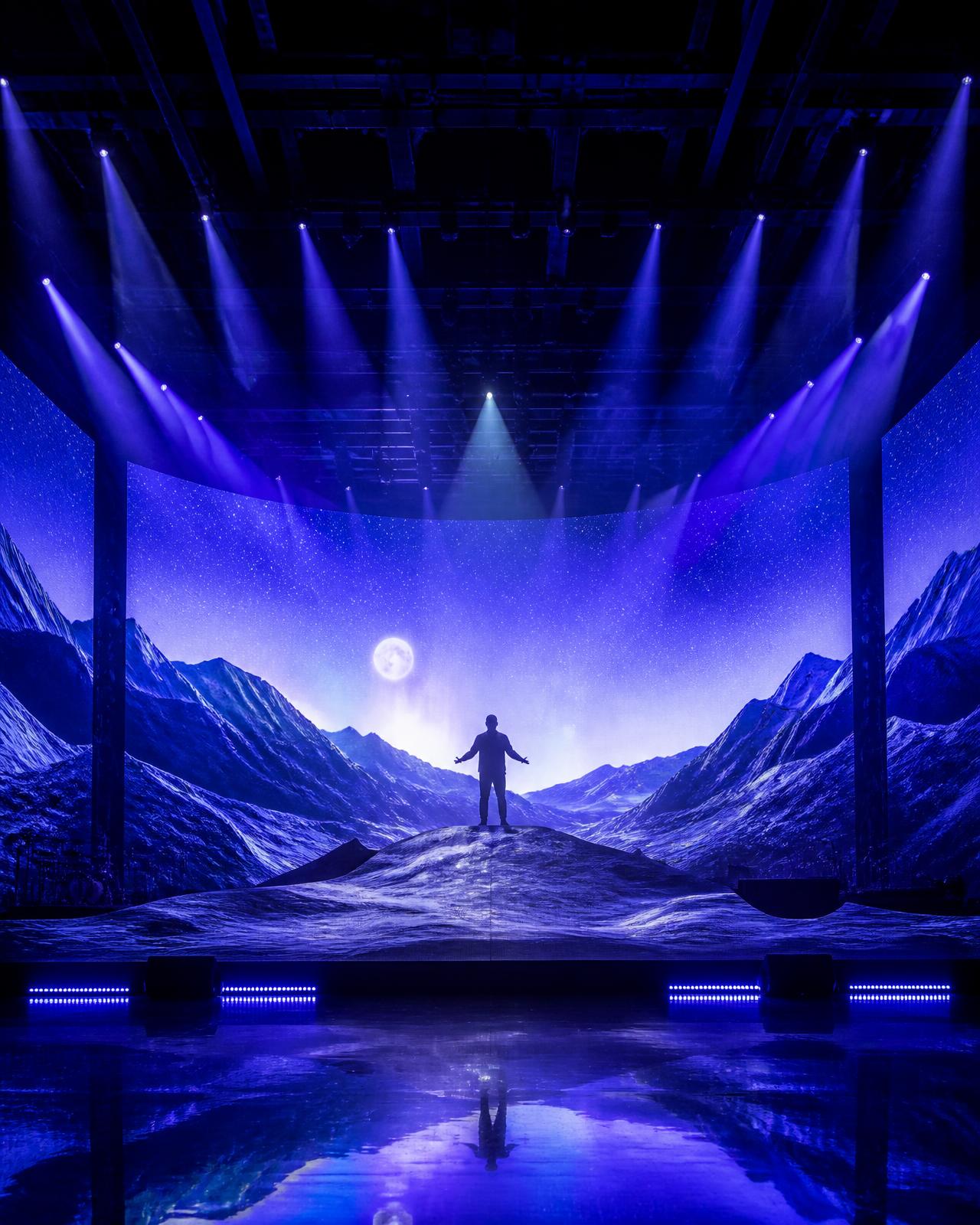
Virtual concert stages
Environment, lighting, and terrain built around the setlist. Cues bind to timecode or to a live MIDI feed so the room moves with the performance rather than trailing it.
Timecode and MIDI-driven cue systems
LED volume and green-screen builds
Per-song lighting states with manual override
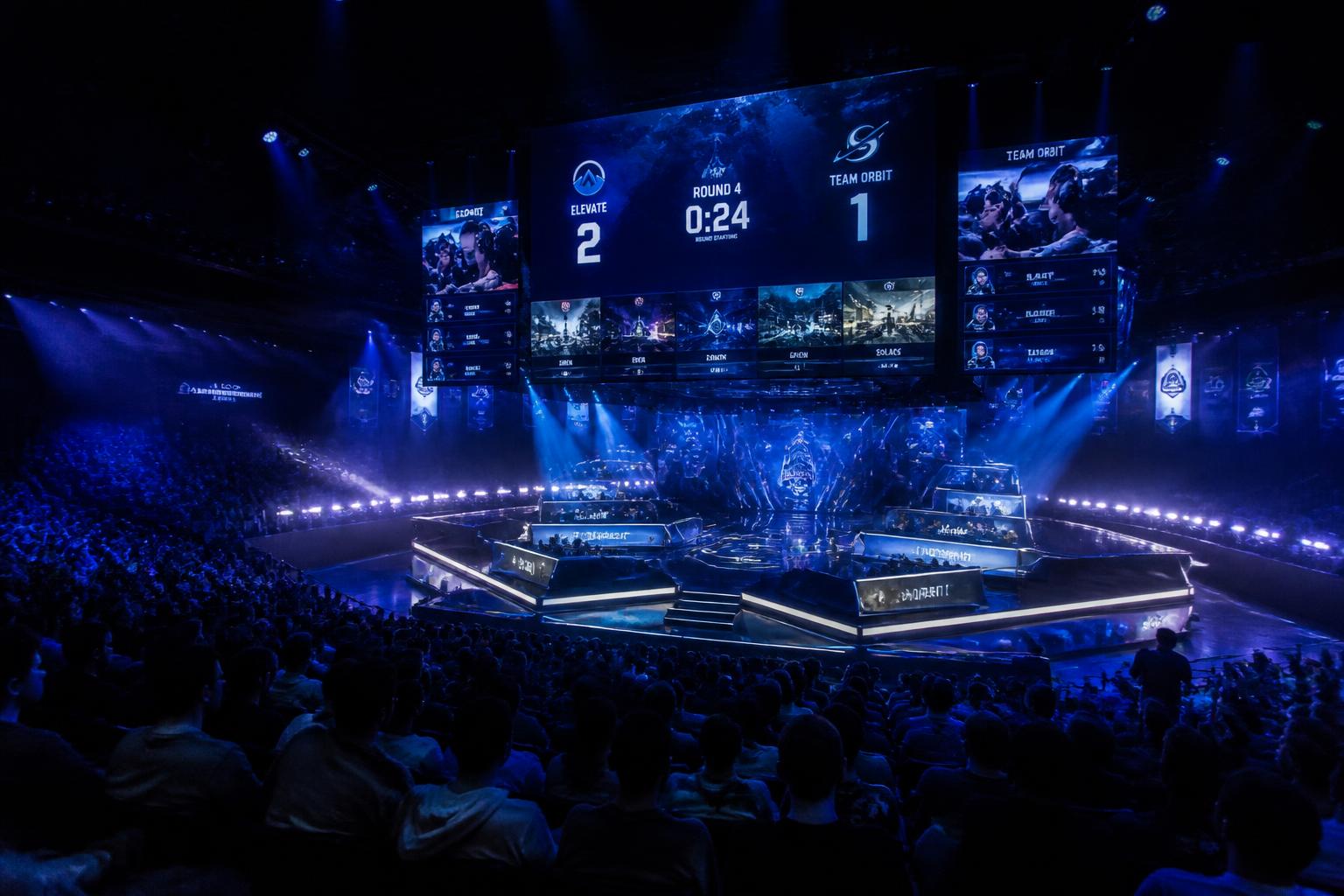
E-gaming league worlds
Tournament stages that read live match telemetry. Team identity, map state, and score drive the environment without an operator touching a key.
Telemetry-driven scene transitions
Multi-language feed variants
Broadcast-safe overlays and lower thirds
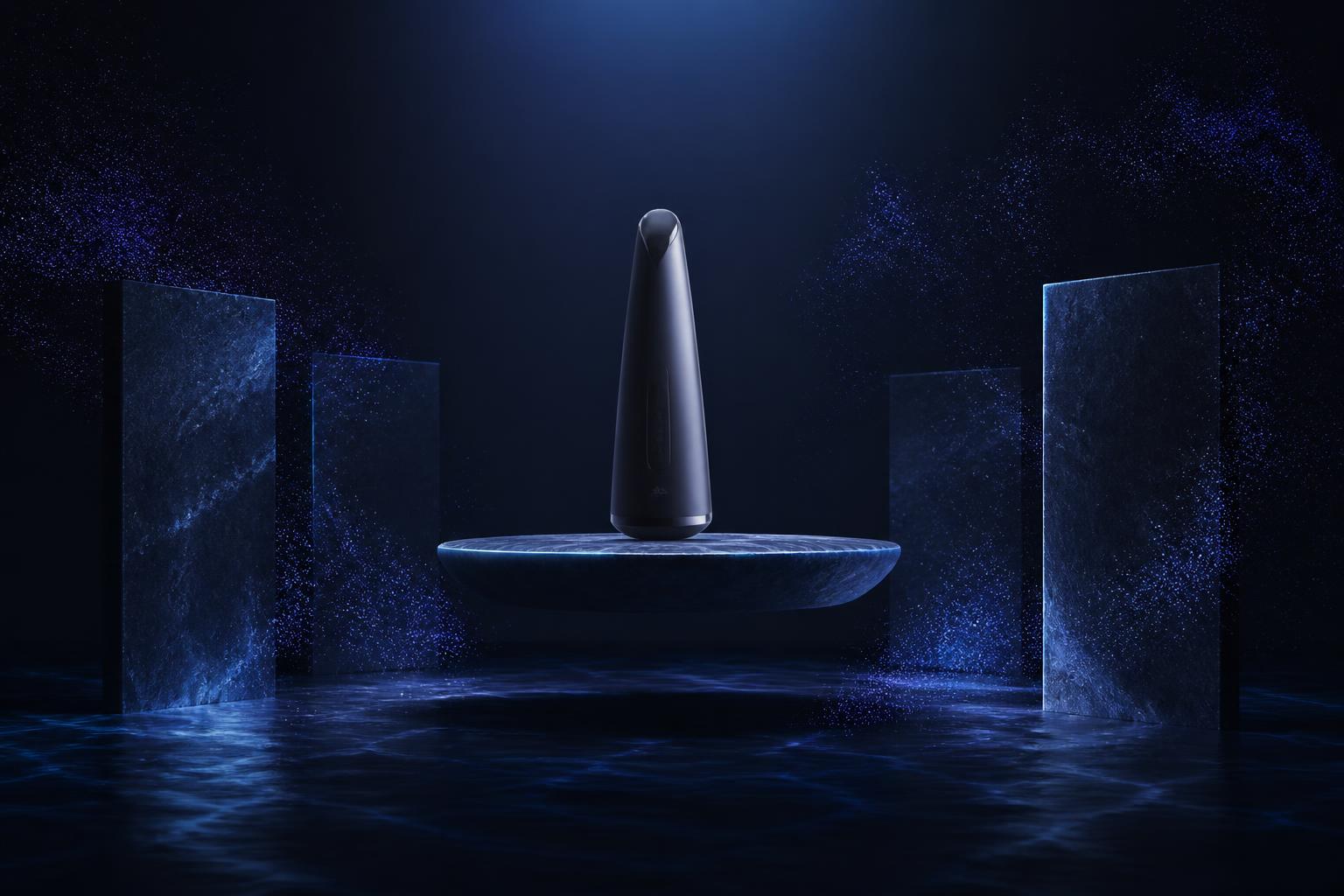
Virtual product launches
Physically correct materials built from your CAD or scan data, lit under a colour-managed pipeline so the product looks the same on stage as in the catalogue.
ACES colour pipeline
Regional product variants on one build
Hero camera choreography
Previs and virtual scouting
Walk the stage in headset six weeks before load-in. Blocking, sightlines, and camera positions get resolved while changes are still cheap.
Headset walkthroughs
Camera and lens matching
Sightline and crowd-view checks
Lighting and atmosphere design
Volumetrics, haze response, and shadow behaviour designed as a single system with the physical rig, so real and rendered light agree on camera.
Real and virtual rig alignment
Volumetric and haze simulation
Broadcast grade sign-off
Show-day operations
Our engineers work your show alongside your crew, with redundant playback machines and a rehearsed failover for every scene in the running order.
Redundant playback and failover
On-console engine operators
Post-show asset handover
How a project runs
01
Feasibility read
You send the brief, venue or volume spec, and date. We return a written read on what the stage can be and a budget range within three working days.
02
Previs
Blocking, camera, and lighting intent resolved in a walkable build. Two weeks, typically two review rounds.
03
Build
Environment, shaders, terrain, and cue systems against a locked GPU budget with a weekly performance report.
04
Technical rehearsal
In the real room, on the real hardware, with your broadcast crew and a full running-order pass.
05
Show and handover
We operate on the night, then transfer source projects and documentation within 48 hours.
Engagement models
Single-show builds are quoted as a fixed scope against a fixed date. Season deals cover a league or tour with a shared stage base and per-event variants, priced per broadcast day. Retained technical direction is available monthly for teams running their own volume who need a second pair of eyes on performance.
Eight weeks is comfortable for a full virtual stage: two weeks of previs, four weeks of environment and lighting build, two weeks of technical rehearsal. We have shipped in eighteen days when a broadcast date could not move, using an existing stage as the base layer.
Tell us the date. We'll tell you the truth about it.